A park toilet could appear to be a small component of a bigger public undertaking. Landscape architects, engineers and contractors may participate in the construction of a particular building.
Every transition raises a very simple, but crucial concern.
Who is responsible for ensuring that the stages are connected properly?
When owners of parks or project teams are discussing park restroom designers, this question will reveal more than studying a few completed buildings.
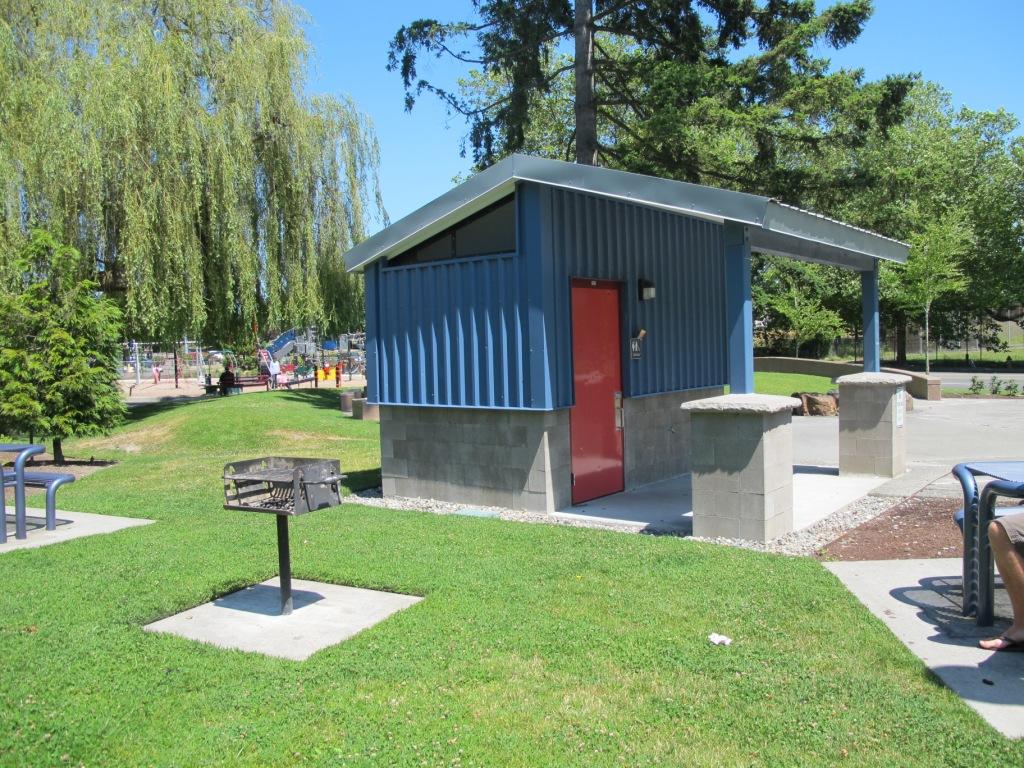
Image credit: romtec.com
Be aware of the Handoffs
Imagine a bathroom already conceptually planned. The dimensions are right and the design of the exterior has been chosen and everyone is happy with it.
Then engineering begins. An adjustment is required to the layout. The alteration can affect the specifications of a component, and consequently, the procurement. The contractor then discovers that an assumption made during design doesn’t match what is being delivered.
None of these problems suggests that someone committed a major mistake. They illustrate how coordination can be difficult if responsibility is split among several people.
A best park building designer candidate should therefore be evaluated on more than creativity. Knowing the code, accessibility requirements and their components can help to connect your design with the end product.
Check out the Specifics of the Proposal Doesn’t Include
Two construction proposals that seem similar could have completely different goals.
One could be a package of building materials. The package could comprise preliminary design and construction assistance, as well as drawings, renderings, and engineered plans.
If you only compare the lowest price without understanding what makes them different, it can be untrue.
Romtec will give you free preliminary designs and estimations in addition to specifications, drawings and renderings for your bid package. After approval, the process will continue to include all submissions as well as engineered plans.
This provides owners and design teams a better path to moving from an idea toward the construction phase of a building.
Custom requirements require prompt attention.
Public projects are rarely found in the same conditions.
A community may want fixtures and other materials that are environmentally friendly. Another may have a specific design theme. Landscape architects might require special siding, unique colors or a roof structure which visually connects the restroom to other structures in the park.
These choices affect more than just the appearance. They can affect the components, the documentation and procurement, as well as engineering and construction.
By addressing any special requirements as early as is possible the project team will be able to include them in a systematic manner rather then retrofitting them after major decisions are made.
Construction knowledge changes the design dialogue
The ideal builder of park toilets for any project must understand that drawings will become physical structures.
Romtec is a company which designs, fabricates and supplies and builds buildings for public use. Romtec offers building packages which can be integrated into larger construction projects, or provide turnkey installations.
That design-to-construction experience creates a practical perspective: decisions made at a desk eventually have consequences on a jobsite.
Take a look at the Journey, Not Just the Endpoint.
It’s difficult to determine how much coordination was put into the bathroom that was completed before it was opened.
Park owners can see the building. Visitors can look around the building. The project teams are involved in everything that went before it design decisions, estimates documents, engineering approvals, supply and construction.
So, choosing a park building partner should not begin and conclude with a question like “Do we enjoy their structures?”
A more useful question is:
Do you have the ability to transform the building from our imagination into a building which is accessible to the public?