If you draw a circle around the lift station on the form of a map that is civil it’s easy to visualize it as a piece self-contained equipment.
The water is actually pumped from somewhere and sent to the facility. The station also relies on power, controls access to site, structural components, and connections to surrounding infrastructure.
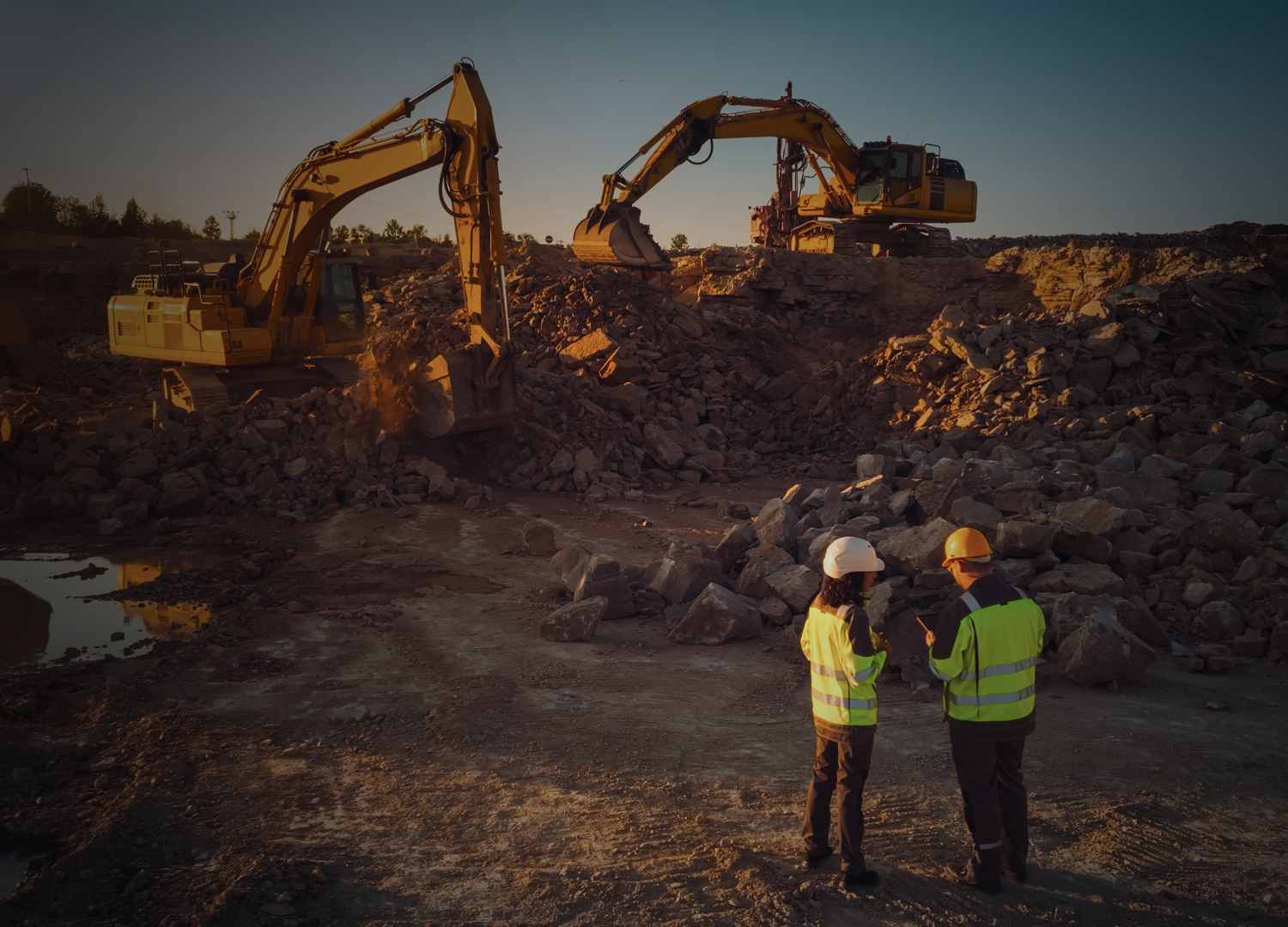
Image credit: romtecutilities.com
For project teams searching for the best lift station designers, one useful question is whether the engineering considers those interfaces not merely what happens inside the station.
Start upstream from the Wet Well
As an example, consider a new residential project. The water is moved through the system of collection to the lift station. The elevation of the site and the incoming flow conditions help determine what the station can handle.
Once wastewater reaches wet wells, another set if engineering choices are made. Valves, pumps, pipes controls, structural components and possibly auxiliary equipment have to suit the application.
Romtec Utilities engineers wastewater systems specifically for individual locations, which include industrial, commercial, municipal and development.
The project-specific approach is important because what happens downstream can alter the objectives of the pumping station.
Be sure to follow the water beyond the pumps
The issue does not stop once the liquid is out of the well. The pumping systems have to be capable of pushing the liquid to meet the hydraulic requirements of the downstream systems. The pump’s configuration and flow requirements are determined by required head and flow conditions.
It is crucial to take into consideration this when evaluating most reputable wastewater designers. A pump may have impressive specs on its own however its performance must to make sense within the complete hydraulic system.
Romtec Utilities has the ability to design the structural components, mechanical components, electrical components, as well the communication systems for pumping stations as a complete package. This enables the equipment to be coordinated with the requirements established for the particular project.
Stormwater is a network of its own
Stormwater is a unique infrastructure puzzle. Runoff can enter the system of collection via well-constructed areas, and later travel through treatment, detention or drainage infrastructure. Stations that require pumping are part of a larger stormwater management strategy.
It is important for organizations seeking the most efficient water designers to think about the specific conditions on the site, the rates of flow, head specifications, environmental factors as well as the plans for stormwater management.
Romtec Utilities offers customized stormwater pumps for industrial, residential, commercial and municipal projects, instead of with a standard configuration.
Coordination Extends Above Ground Too
Some interfaces don’t require pipes. Electrical service must support the equipment. Control and communication systems have to fit project requirements. Contractors need appropriate plans and documentation. Access to physical facilities may be required for installation, startup, as well as later service.
These connections may involve a variety of disciplines and project participants, making detailed documentation of the system particularly important. Romtec Utilities can provide complete project plans and documentation, and also provide support for its systems during startup, testing and commissioning.
Take a look outside the station Boundary
A lift station can be designed correctly as a stand-alone facility but still be part of a poorly coordinated project if the external connections haven’t been given enough consideration.
Water can give you a more clear view on design. Where does it originate? What conditions do it have to pass through to get to the station? What happens when it’s there? What happens when it’s out? What infrastructure will allow the whole process to take place?
In answering these questions the design of lift stations is more than just a piece of equipment. It’s now element of infrastructure engineering.