Color may be exactly right, but several hours in the wig exposes a problem with cap comfort. Another appreciates the natural-looking hairline but doesn’t want to spend twenty minutes adjusting the lace every morning. For a third buyer, the look is not the issue. It is the heavier-than-expected feel created by the wig’s density.
There is more value in these comments than a wig company might initially see. They identify opportunities to create wigs customers genuinely like to wear.
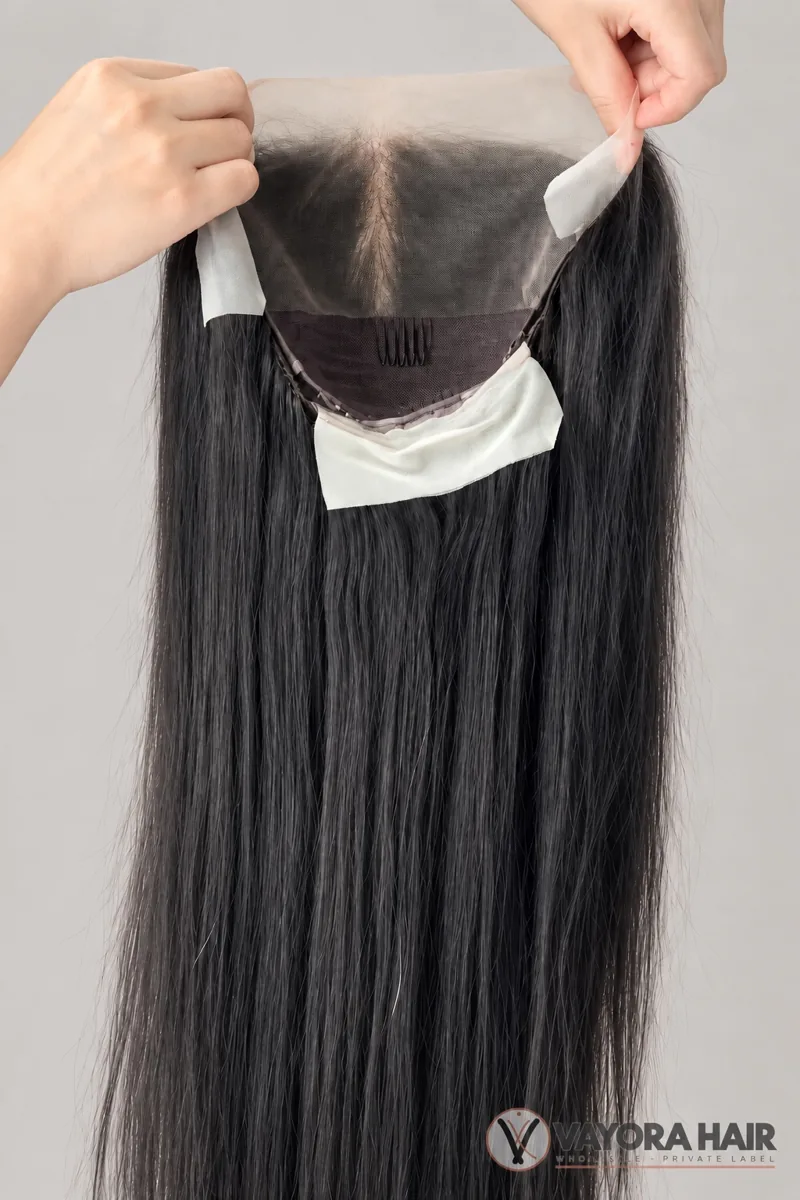
Image credit: vayorahair.com
The most recent viral look is not necessarily the foundation of a successful wig collection. A collection should begin with an understanding of customer preferences and the experience they want when they put it on.
Listen to the Problems Behind the Purchase
When wearers explain their needs, they generally do not speak in manufacturing language. They talk about comfort, convenience, appearance, and confidence. A glueless construction could be one response to feedback about reducing the effort of the morning routine. If customers say the hairline looks unnatural, the team may need to review lace appearance and knot treatment, along with the density or design of the part.
When selecting a human hair wig manufacturer China brands should look for the ability to translate ordinary customer concerns and document them as measurable product specifications.
A request for a 22-inch body-wave wig can go well beyond length and texture: buyers can specify how the wig should feel when worn, cap fit, lace construction, hairline appearance, and finished weight. With that information, developers can focus on a clearer target.
Building an Identity for Your Private Label Wig Range
A common mistake for emerging wig brands is to stock their catalogs according to whatever is popular at the time. The result can be a collection that looks remarkably similar to competing stores.
Choosing a private label wig manufacturer China retailers can work closely with gives brands an opportunity to develop a more consistent product identity. A brand could focus on lightweight daily-wear wigs, a premium range with realistic hairlines, or ready-to-wear styles for customers who favor a simpler preparation routine. Every choice, from texture, length, and color to density, cap construction, and packaging, should support the same promise to customers. A recognizable product range can encourage repeat visits for reasons other than a short-term promotion.
What to Consider in Glueless Wig Construction
Although the word “glueless” seems simple, the experience of wearing the wig depends on several design details. Cap sizing, adjustment features, attachment components, lace preparation, and hairline design all influence how comfortably and securely a wig fits.
A glueless wig manufacturer China buyers choose should help clarify these requirements before production begins. Manageable density, pre-cut lace, and simple adjustment features may be particularly important when the intended customers are new to wigs. The customization options for a professional stylist’s collection may be different. It would be a mistake to assume that one approach is always better. Each serves a different customer.
Evaluating Samples and Brand Reputation
Even a good product photograph provides only part of the information about a wig. Does the cap fit properly? What is the hair movement like? Buyers also need to check whether the color meets expectations and the finished construction follows the approved design. Before a larger purchase is placed, sampling can help reveal discrepancies.
When a wholesale human hair wigs supplier needs to produce a style repeatedly, documented specifications and quality-control procedures are particularly important. Even a successful initial batch may be hard to replicate consistently if adequate references are unavailable.
Build a Collection That Can Grow
VAYORA works with B2B wig retailers, distributors, and brands to support product development, private label services, sampling, specification control, and repeat-production workflows. Physical details that affect the look, fit, and feel of a wig are connected to customer expectations through this approach.
Before expanding a catalog, brands should examine customer feedback, identify their strongest product opportunities, and establish clear approval standards. The next successful collection may not require more styles. Instead, success may come from reducing compromises in the styles customers already seek.