Six years of experience do not necessarily make it easy for a developer to communicate a system architecture decision in an interview. Someone who has delivered successful marketing projects may still struggle to recall the relevant figures under interview pressure.
These examples do not necessarily reflect a shortage of professional competence. Interviews require candidates to recall relevant details, structure their ideas, interpret unfamiliar questions, and communicate clearly under pressure.
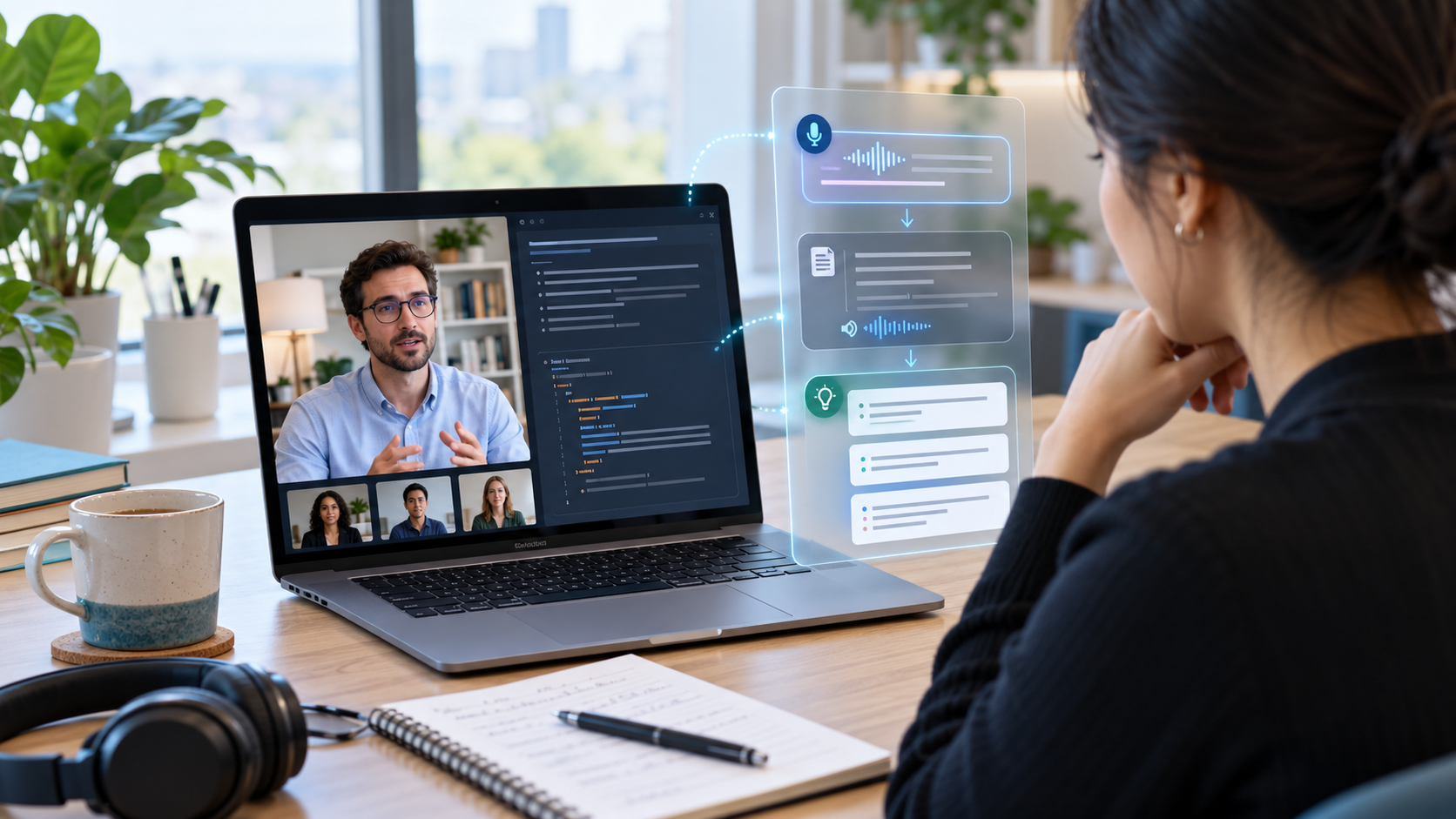
Artificial intelligence is introducing new ways to practice these skills. Interview Pilot brings together simulated interview discussions, personalized preparation, and live suggestions to support more confident interview performance.
Create a Personal Bank of Career Experiences
Many candidates prepare in the conventional way by searching for frequently asked questions and learning sample answers by heart. The limitation is that generic answers rarely reflect the details of someone’s actual career.
Take a typical interview question: “Tell me about a time you managed a difficult project.” An effective response needs more than an impressive introductory sentence. The candidate should describe the situation they faced, clarify their own role, explain their choices, and report the result.
To make its suggestions more relevant, Interview Pilot incorporates details about the user’s CV, the intended job, and the prospective employer.
An AI interview assistant can help users find useful professional stories, organize supporting details, and recognize gaps in their explanations. Users can subsequently practice explaining what actually happened in language that feels authentic to them.
Communicating Technical Expertise in an Interview
An assessment of technical ability goes beyond understanding programming tools, software platforms, and engineering principles. Hiring teams often examine the candidate’s problem-solving process and compares possible solutions.
When discussing database optimization, a developer may be asked to describe why indexes made queries faster, the associated trade-offs, and the method used to measure the improvement.
Both technical questions and behavioral prompts are addressed through suggestions from Interview Pilot. The interview copilot feature interprets spoken questions and produces responses informed by the conversation.
Candidates still need to comprehend the logic underlying a suggestion. Applicants need to be able to justify their technical choices without assistance, especially if an interviewer changes the initial scenario or asks follow-up questions.
Practice Conversations, Not Just Separate Prompts
Silent review of interview questions cannot fully replicate the process of answering verbally. Spoken practice exposes communication habits that written preparation may overlook, including lengthy introductions, unclear explanations, and unnecessary technical jargon.
With its interview question bank and AI mock interviews, Interview Pilot gives candidates a way to prepare ahead of time for a recruiter or hiring manager conversation.
Candidates can practice effectively by responding to one question repeatedly while changing how much detail they include. The same experience could be explained in a thirty-second response during a screening interview and in greater depth during a technical discussion. Adjusting the depth of an answer can make the conversation sound less memorized and better aligned with the interviewer’s interests.
Consider Professional Integrity Before Using Live AI
When candidates consider tools that provide real-time interview answers, they must also think about honest participation in interviews and what the employer expects. AI assistance may be permitted in certain organizations’ assessments, but other employers require an assessment completed without external help.
Anyone searching for a copilot for interview preparation or live assistance should clarify the employer’s rules before using such technology during an actual interview. Candidates should also consider requirements concerning consent and confidentiality when software processes interview conversations. The best use of AI suggestions is to reinforce what a candidate genuinely knows, not to stand in for missing qualifications or fabricate career experiences.
Preparation That Fits Into a Busy Schedule
Candidates frequently fit their interview practice around their jobs, travel to and from work, and personal obligations. Accessibility across devices can make consistent practice easier.
Users can access Interview Pilot on Mac and Windows, on iPhone and Android, and via the web. The platform reports a global user base of over one million and describes a free plan with limited weekly AI access in addition to paid subscriptions offering unlimited use.
Ultimately, effective interview preparation isn’t about memorizing perfect sentences. What matters is developing confidence in discussing your expertise, demonstrating your thought process, and articulating your potential value to an employer.
Used thoughtfully, Interview Pilot can support that process while keeping the candidate’s own professional background, judgment, and communication skills at the center of the conversation.