Businesses rely on connected devices heavily to collect data, automate business processes and to run more efficient operations. The administration of a number of devices located in several locations, especially when they increase in size, can become overwhelming. Operating devices require constant attention, expertise in technology as well as security compliance. This is a requirement for software updates as well as system monitoring and performance optimization. This is why a structured managed service strategy transforms complexity into clarity.
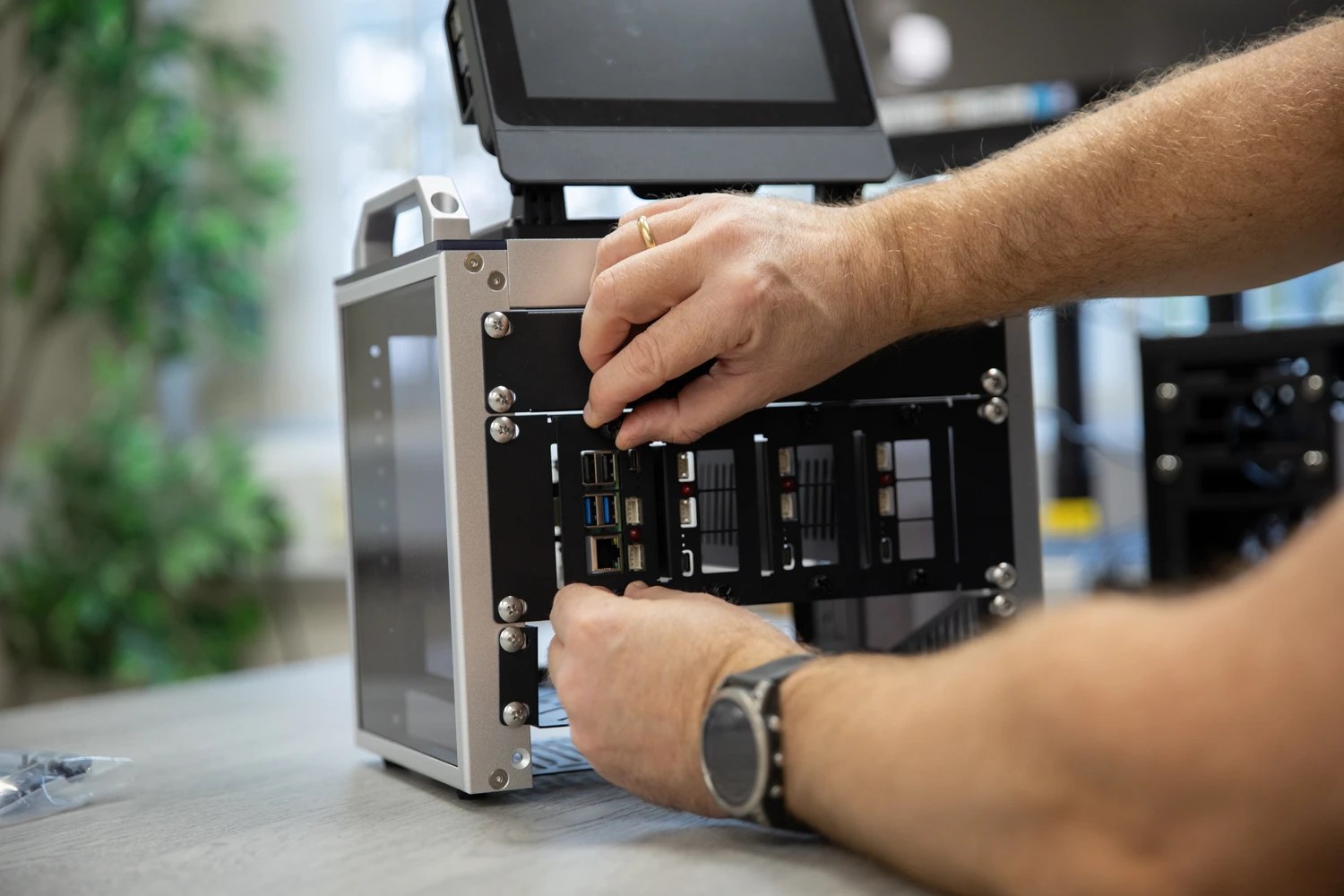
Businesses often begin in search of Raspberry devices management software that is free alternatives to cut down on upfront costs. Free tools may offer basic monitoring and remote accessibility, but they do not provide the lifecycle management necessary for large-scale deployments. Businesses need more than manual controls and dashboards as their device networks grow. They need an integrated ecosystem that handles the provisioning process, security, monitoring performance and compliance reporting in a way that is automated and reliably.
An infrastructure that is fully managed will take the strain of daily activities off the internal teams. Instead of troubleshooting devices, patching systems, and responding to interruptions, businesses can concentrate on growth and innovation. Every device is able to be configured for deployment, maintenance, and configuration in a common framework to ensure continuity and security. This operational model reduces the time to downtime and eliminates security risks that result from misconfigurations and erroneous updates.
A Partnership Model Built for Scale
IoT ecosystems do not always work when designed in isolation. They require an intelligent architecture and constant improvement. Collaboration with a knowledgeable Raspberry Pi design partner ensures that the selection of hardware along with the system architecture and software environments are in line with the operational objectives right from the start. Instead of focusing on deployment as a once-in-a-lifetime project, this partnership creates a flexible foundation that grows as the company grows.
Each managed service engagement adapts to the environment of the client that includes hardware integration, device management platforms, as well as technical support under a single operational agreement. This approach unifies the work of service providers and makes communication easier. Business owners can now have named technical contacts, agreed service level agreements and transparent reports that keep all stakeholders up-to-date.
To ensure uniformity among devices in all locations, configuration and provisioning processes are common. Before deployment, every device is tested and assembled. It is then securely registered to ensure consistent performance. Continuous telemetry offers real-time insights on the health of the device and stability of apps. Engineers are able to spot irregularities and prevent system breakdowns before they get out of hand.
Continuous Improvement Through Continuous Management
The importance of proactive maintenance is greater than reactive troubleshooting to ensure a stable IoT environment. Managed patches and updates ensure that applications and operating systems remain safe. Prior to the deployment of updates, they are thoroughly tested to ensure there will be no disruptions.
The operational workflow is also a part of obligations for compliance. Reporting mechanisms align with regulatory requirements, whether companies are required to meet ISO standards or SOC2 frameworks. This arrangement eases the burden of audits as well as improves security measures.
Lifecycle planning and optimization of performance increase the value of managed services. Regular system assessments identify opportunities for upgrades to hardware, improvements in energy efficiency and load balance. Instead of waiting for devices to fail or become outdated, the infrastructure is developed along with organizational growth.
Cloud and Edge Technologies can be seamlessly connected
Modern deployments typically require tight integration between edge hardware and cloud-based ecosystems. Expert Azure IoT consultancy can help companies connect their devices securely to cloud platforms, while also optimizing the data pipelines, analytics workflows and automation capabilities. This synergy between physical infrastructure and cloud intelligence enables the ability to make better decisions and improve operational efficiency.
Professional IoT consulting also ensures that monitoring platforms, security protocols, and data governance frameworks work cohesively. Engineers monitor system performance round-the-clock and react to any anomalies before they cause disruption to operations. The ability to scale support options allows organizations to expand with confidence knowing that their technical expertise will increase as will the number of devices.
In simple terms, the purpose is to make sophisticated edge systems appear effortless. Scaler Pi makes cutting-edge technology more accessible through combining hardware knowledge with cloud technology. It creates a platform that is efficient, with devices, data and operations all work effortlessly.
A Better Method to Manage Device Infrastructure
Managed services provide an accountability single point in hardware, design, monitoring and support. The ability to predict pricing reduces budget surprises while automated updates and continuous monitoring minimize operational risks. Businesses can rest assured that their infrastructure is compliant and performing optimally.
As IoT ecosystems grow as they expand, the need for reliable operational frameworks becomes critical. A complete managed service can ensure device networks remain efficient as well as secure and future-proof permitting organizations to continue to innovate without being slowed by the infrastructure management.